Welcome to WordPress. This is your first post. Edit or delete it, then start writing!
Blog
-
BPC-157: The Peptide Revolutionizing Tissue Healing and Recovery
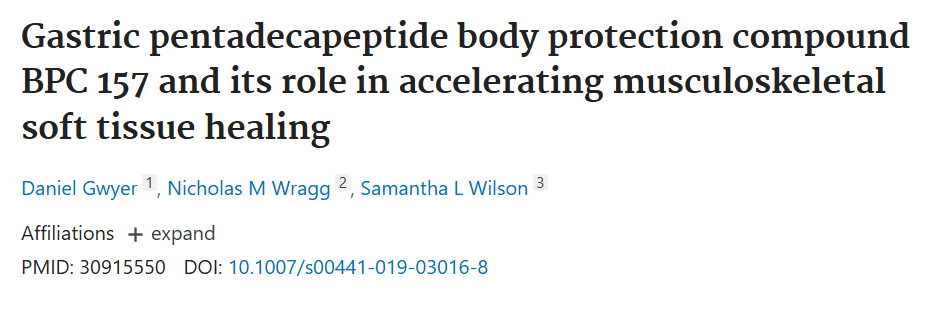
This study focuses on BPC-157, a peptide derived from human gastric juice, and its extraordinary ability to heal musculoskeletal soft tissues, including tendons, ligaments, and muscles. The research emphasizes:
-
Tendon and Ligament Repair:
-
BPC-157 significantly improves healing in tendons and ligaments with poor blood supply, such as the Achilles tendon.
-
It boosts fibroblast activity and collagen formation, resulting in stronger and more functional tissue repair.
-
Remarkably, BPC-157 counteracts the negative effects of corticosteroids, known to impede healing.
-
-
Muscle Recovery:
-
The peptide aids recovery in both traumatic injuries (e.g., muscle crush injuries) and systemic disturbances like electrolyte imbalances.
-
BPC-157 restores full muscle functionality by promoting angiogenesis (new blood vessel formation) and reducing inflammation.
-
-
Prolonged Benefits:
-
Its healing effects extend over long durations, showcasing sustained functional and structural recovery.
-
Administration methods (oral, topical, or injection) all demonstrate effectiveness, highlighting its versatility.
-
-
Mechanism of Action:
-
BPC-157 stimulates growth factors like VEGF and activates pathways such as VEGFR2-Akt-eNOS to enhance blood flow and tissue repair.
-
With no adverse effects reported and its ability to work in synergy with conventional treatments, BPC-157 holds immense potential for revolutionizing soft tissue healing and recovery.
-
-
BPC-157: The Multifaceted Healer – From Gut to Total Body Repair
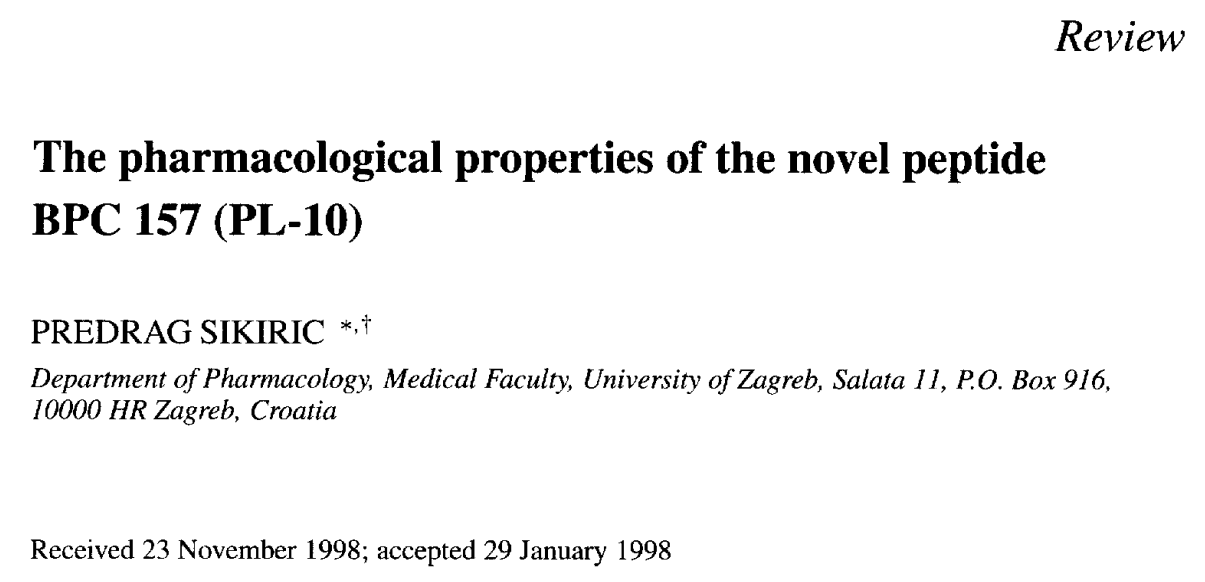
The study highlights the extensive pharmacological properties of BPC-157, a pentadecapeptide derived from gastric juice. Its broad-spectrum effects include:
-
Gastrointestinal Protection: BPC-157 supports gut health by protecting against lesions caused by stress, alcohol, NSAIDs, and inflammatory agents. It enhances mucosal integrity and promotes healing even under challenging conditions.
-
Tissue and Wound Healing: This peptide facilitates rapid repair of skin, muscle, and nerve injuries. It boosts angiogenesis (formation of new blood vessels) and collagen production, vital for healing wounds, fractures, and anastomoses.
-
Organ Protection: BPC-157 shows significant protective effects on the liver, pancreas, and heart. It counters toxic damage, reduces inflammation, and supports recovery in conditions like acute pancreatitis and cardiac stress.
-
Neurological Benefits: The peptide demonstrates neuroprotective effects, mitigating damage from neurotoxins, reducing inflammatory pain, and even reversing dopamine receptor sensitivity disturbances, showing promise in neurological conditions like Parkinson’s disease.
-
Systemic Effects: BPC-157 modulates key biochemical pathways, including nitric oxide (NO) production, to balance blood pressure and improve endothelium protection. Its anti-inflammatory properties extend to chronic conditions like arthritis and inflammatory bowel disease.
-
Stability and Versatility: Remarkably stable in human gastric juice, BPC-157 remains effective through various administration routes, making it a practical therapeutic option.
The study positions BPC-157 as a potentially essential component of the body’s natural defense system, with profound implications for holistic health and systemic healing.
-
-
BPC-157: The Breakthrough Peptide Healing the Brain and Gut Connection
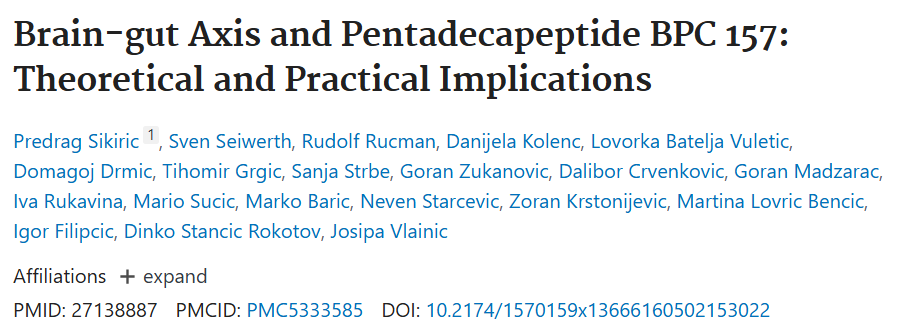
The study explores BPC-157, a stable gastric pentadecapeptide, and its therapeutic implications on the brain-gut axis. It highlights BPC-157’s anti-ulcer properties and its ability to maintain gastrointestinal (GI) mucosa integrity. Beyond GI health, BPC-157 demonstrates profound systemic effects, including neuroprotection, tissue healing, and modulation of critical neurotransmitter systems (serotonergic and dopaminergic). Key findings include:
-
Brain-Gut Axis Role: BPC-157 acts as a mediator of brain-gut interactions, beneficially influencing central nervous system (CNS) disorders via peripheral administration.
-
Tissue and Wound Healing: The peptide accelerates repair in skin, muscles, tendons, and nerves while protecting the endothelium and reducing inflammation.
-
Neurological Impact: It counteracts effects of injuries such as traumatic brain and spinal cord damage, improves nerve regeneration, and mitigates conditions like Parkinson’s disease and depression.
-
Drug Toxicity Protection: BPC-157 attenuates damage caused by NSAIDs, alcohol, insulin overdoses, and neurotoxic agents.
-
Mechanism of Action: Its healing effects are linked to pathways such as Egr-1, JAK-2, and nitric oxide regulation, showing potential for broad therapeutic applications.
The findings suggest that BPC-157 offers a promising approach for treating GI issues, CNS disorders, and systemic injuries, with no reported toxicity. It embodies the harmony of brain-gut communication, offering novel possibilities in holistic health care.
-
-
Revitalize Your Metabolism with AOD9604: The Peptide Advancing Weight Management
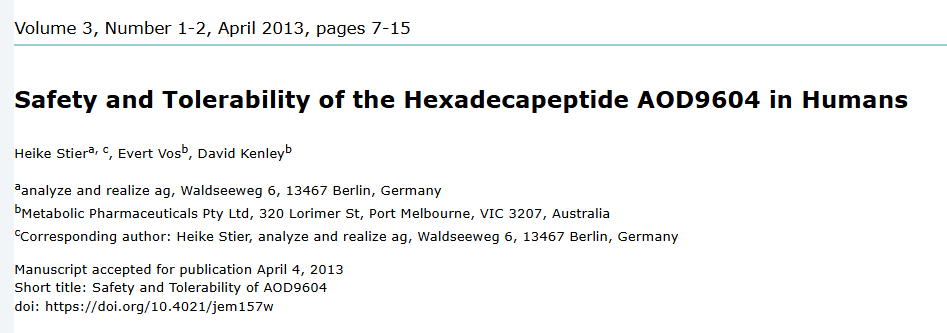
The study you provided explores the development and clinical potential of AOD9604, a peptide derivative of the human growth hormone fragment 177-191. This fragment is specifically associated with lipolytic (fat-breaking) activity without the growth-related effects of full-length hGH.
Key Findings from the Study:
- Selective Fat Reduction:AOD9604 targets fat metabolism, enhancing lipolysis (fat breakdown) while inhibiting lipogenesis (fat formation). In animal models, it effectively reduced body weight and total body fat.Safety Profile in Humans:Clinical trials confirmed that AOD9604 is well-tolerated, showing no adverse effects on carbohydrate metabolism or bone growth. Additionally, no anti-AOD9604 antibodies were detected, which supports its favorable safety profile.Mechanism of Action:Unlike growth hormone treatments, AOD9604 does not stimulate IGF-1 or other pathways associated with growth, making it a safer alternative for metabolic optimization and fat management.Potential Applications:AOD9604’s development aimed to create a specialized tool for combating obesity and improving body composition, making it an ideal candidate for individuals seeking a natural and scientifically-backed approach to health and wellness.
This peptide stands out as a promising solution for individuals looking to enhance their metabolic health, promote fat loss, and improve overall well-being without the risks of traditional hormone therapies.
-
Unlocking the Power of AOD9604: The Peptide Revolution in Fat Loss and Wellness
The study on AOD9604, a peptide derivative of human growth hormone (hGH), highlights its development as a potential anti-obesity treatment. AOD9604 is derived from the hGH fragment 177–191, known for its ability to increase lipolysis (fat breakdown) and decrease lipogenesis (fat storage) without impacting growth hormone-related functions like bone growth.
Key findings include:
-
Enhanced Bioactivity: AOD9604 demonstrated a 52.4% increase in biological activity compared to its parent peptide in vitro.
-
Weight Management: Chronic treatment with AOD9604 in obese mice reduced body weight gain and total body triglycerides significantly.
-
Safety Profile: Unlike full-length hGH, AOD9604 did not affect bone growth or tibia length, emphasizing its specificity and safety.
The research concludes that AOD9604 is a promising candidate for human weight management due to its targeted action and lack of adverse effects. Early human trials showed favorable outcomes, paving the way for its use as a therapeutic peptide in combating obesity and optimizing metabolic health.
-
-
Epithalon: Unlocking the Secrets of the Pineal Peptide for Longevity and Health
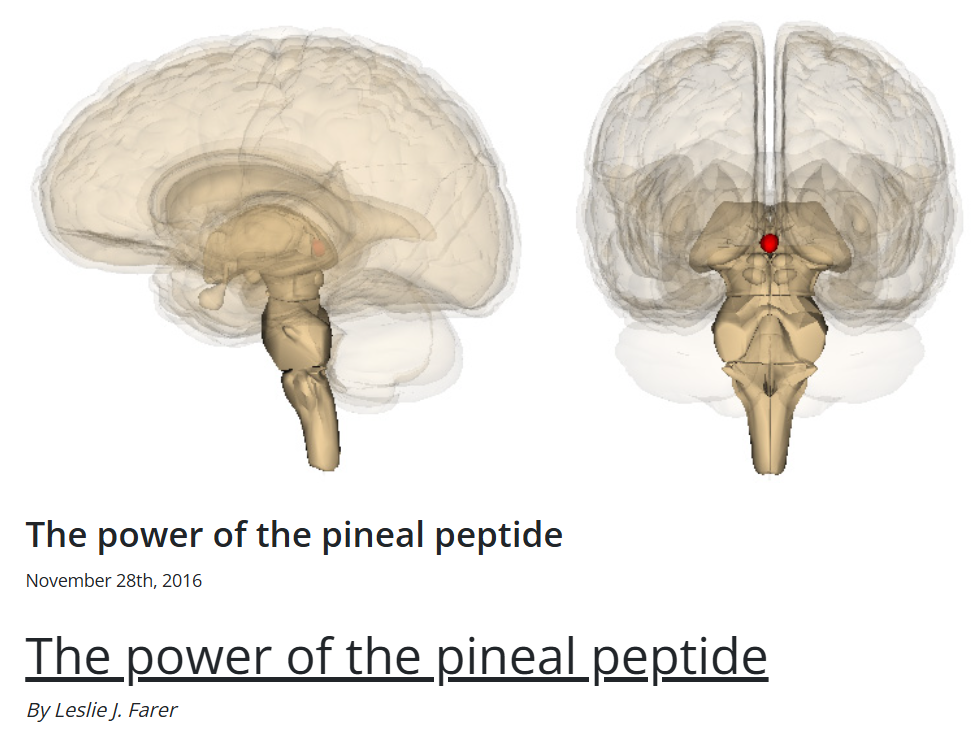
Study Findings: Epithalon’s Role in Anti-Aging and Health Enhancement
Epithalon, a peptide bioregulator derived from the pineal gland, has been extensively studied for its potential to improve health and extend lifespan. Research led by Professor Vladimir Khavinson has demonstrated several key benefits:
-
Gene Expression Modulation: Epithalon interacts with DNA to regulate specific genes, leading to increased protein synthesis essential for cellular function and repair.
-
Tissue and Organ Regeneration: By promoting cell proliferation and differentiation, Epithalon aids in repairing tissues and restoring the function of organs, including the pineal gland, thymus, and retina.
-
Melatonin Production Enhancement: Epithalon stimulates the aging pineal gland to produce melatonin, a hormone crucial for regulating sleep-wake cycles and possessing antioxidant properties.
-
Longevity Promotion: Clinical studies have shown that Epithalon can increase lifespan by restoring physiological balance and preventing age-related diseases.
-
Immune System Support: Epithalon has been found to enhance immune function by stimulating the thymus gland, leading to improved resistance against infections and diseases.
These findings highlight Epithalon’s potential as a powerful tool in anti-aging and holistic health practices, offering a natural means to support the body’s intrinsic healing and regenerative capabilities.
-
-
Epithalon: A Visionary Peptide for Cellular and Retinal Health
Study Findings: Epithalon Boosts Cellular and Retinal Regeneration
The study published in the Bulletin of Experimental Biology and Medicine investigated the effects of epithalon on the proliferative activity of retinal and pigmented epithelial cells. Key findings include:
-
Enhanced Proliferation: Epithalon significantly increased the regenerative capacity of retinal and pigmented epithelial cells. This improved cell proliferation could support recovery in degenerative eye conditions and age-related vision loss.
-
Dose-Dependent Effectiveness: The study highlighted that varying concentrations of epithalon showed marked improvements in cellular activity, with higher doses often demonstrating greater effectiveness.
-
Cellular Longevity: Epithalon’s impact on these specific cell types is consistent with its known effects of enhancing cellular longevity and repair mechanisms, reinforcing its potential as a therapeutic agent in anti-aging and regenerative medicine.
-
Retinal Health Support: The peptide’s influence on retinal cells suggests possible applications in improving eye health, protecting against damage, and enhancing visual function.
This study underscores epithalon’s multifaceted benefits, from cellular rejuvenation to potential therapeutic roles in vision and overall health.
-
-
Epithalon: Extending Cellular Life for Youth and Vitality
Study Findings: Epithalon Overcomes Cellular Aging Limits
Telomeres are like protective caps at the ends of your DNA strands, similar to the plastic tips on shoelaces. Every time a cell divides, these telomeres get a little shorter, which eventually limits the cell’s ability to divide further—a process tied to aging. When telomeres become too short, cells enter a state called senescence, where they can no longer function properly or divide. This process contributes to visible aging, reduced tissue repair, and even age-related diseases. Maintaining telomere length is crucial for preserving cellular health, longevity, and the body’s overall vitality.
How Epithalon Supports Telomere Health
The 2004 study published in the Bulletin of Experimental Biology and Medicine explored how epithalon influences cellular aging, particularly in human fetal fibroblasts. The key findings are:
-
Telomere Elongation: Epithalon induced significant elongation of telomeres in aging fibroblast cells. Telomere length was restored to values similar to those observed in younger cells, counteracting the natural shortening associated with aging.
-
Extended Cell Division Potential: Cells treated with epithalon surpassed the Hayflick limit, completing 10 additional cell divisions compared to untreated cells. This breakthrough highlights its potential to extend the lifespan of human cells.
-
Stabilized DNA Content: Despite telomere elongation, the DNA content in cells remained consistent, indicating the maintenance of genetic stability during extended cell division.
-
Geroprotective Effects: The study confirmed epithalon’s ability to prolong cellular vitality, supporting its role in anti-aging and regenerative therapies.
These findings underscore epithalon’s promise as a transformative peptide in holistic health approaches, combining cutting-edge science with natural regeneration principles.
-
-
Unlock the Power of Epithalon: A Key to Longevity and Health
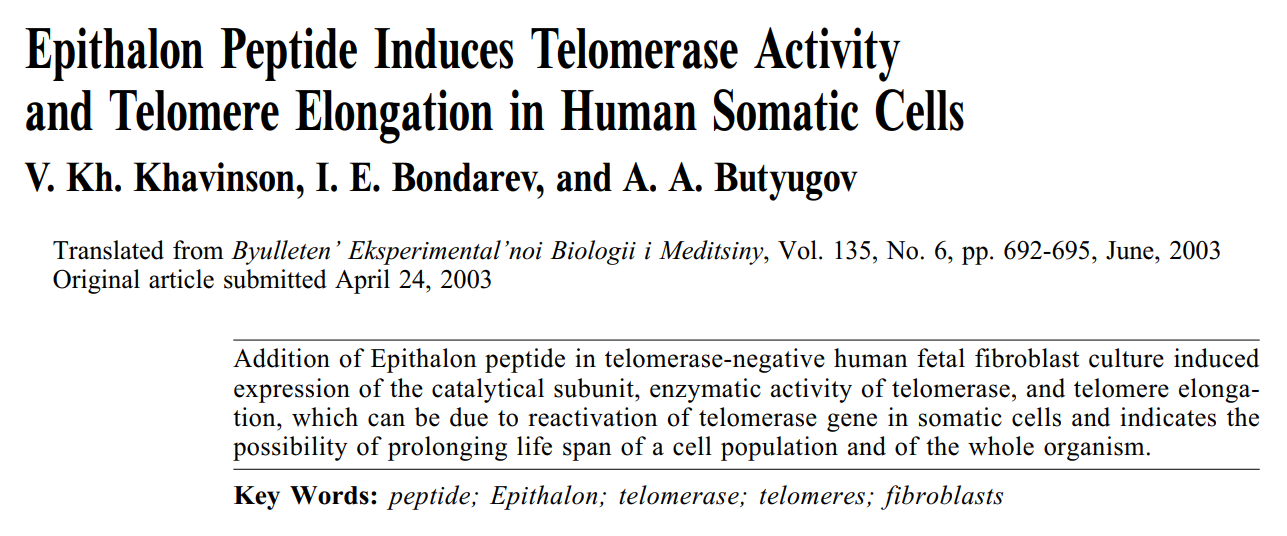
The 2003 study published in the Bulletin of Experimental Biology and Medicine focused on the effects of epithalon on human somatic cells. Key findings include:
-
Telomerase Activation: Epithalon was found to induce telomerase activity in human somatic cells, an enzyme critical for maintaining and restoring telomeres—the protective caps at the ends of chromosomes.
-
Telomere Elongation: Treatment with epithalon resulted in the elongation of telomeres, counteracting the natural shortening associated with cellular aging.
-
Cellular Longevity: By enhancing telomere integrity, epithalon helps delay cellular senescence, potentially extending the lifespan of cells and supporting overall tissue health.
-
Anti-Aging Potential: The ability to influence telomerase and telomeres suggests a powerful role for epithalon in anti-aging interventions, improving health at the molecular level.
These findings highlight epithalon as a promising tool in the fight against aging and cellular degradation, making it a valuable addition to holistic health and performance strategies.
-