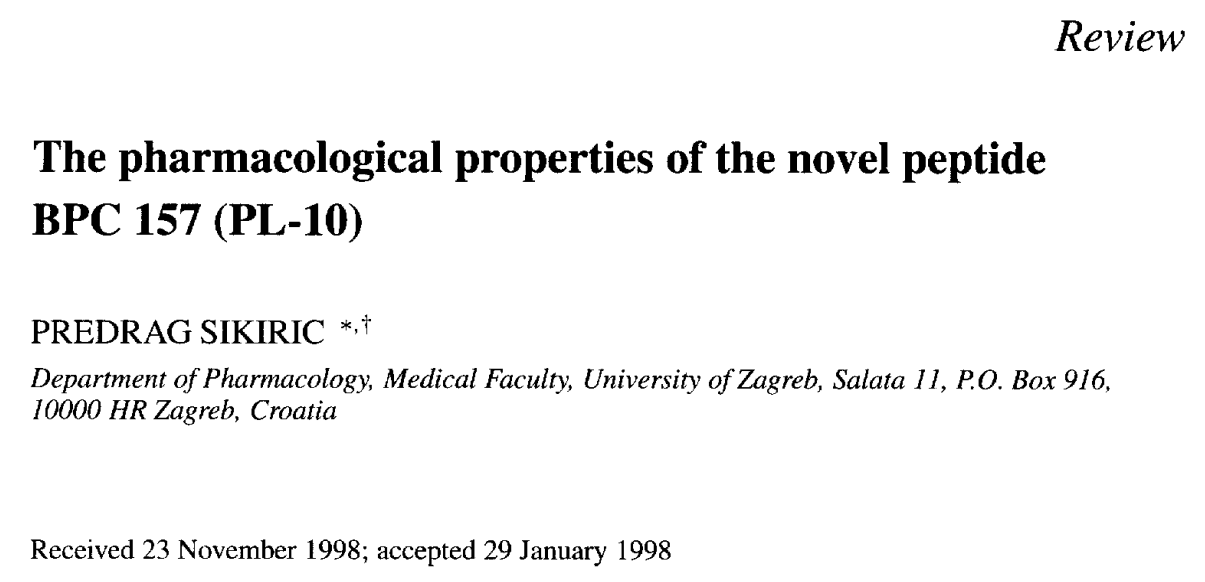
The study highlights the extensive pharmacological properties of BPC-157, a pentadecapeptide derived from gastric juice. Its broad-spectrum effects include:
-
Gastrointestinal Protection: BPC-157 supports gut health by protecting against lesions caused by stress, alcohol, NSAIDs, and inflammatory agents. It enhances mucosal integrity and promotes healing even under challenging conditions.
-
Tissue and Wound Healing: This peptide facilitates rapid repair of skin, muscle, and nerve injuries. It boosts angiogenesis (formation of new blood vessels) and collagen production, vital for healing wounds, fractures, and anastomoses.
-
Organ Protection: BPC-157 shows significant protective effects on the liver, pancreas, and heart. It counters toxic damage, reduces inflammation, and supports recovery in conditions like acute pancreatitis and cardiac stress.
-
Neurological Benefits: The peptide demonstrates neuroprotective effects, mitigating damage from neurotoxins, reducing inflammatory pain, and even reversing dopamine receptor sensitivity disturbances, showing promise in neurological conditions like Parkinson’s disease.
-
Systemic Effects: BPC-157 modulates key biochemical pathways, including nitric oxide (NO) production, to balance blood pressure and improve endothelium protection. Its anti-inflammatory properties extend to chronic conditions like arthritis and inflammatory bowel disease.
-
Stability and Versatility: Remarkably stable in human gastric juice, BPC-157 remains effective through various administration routes, making it a practical therapeutic option.
The study positions BPC-157 as a potentially essential component of the body’s natural defense system, with profound implications for holistic health and systemic healing.
Leave a Reply